
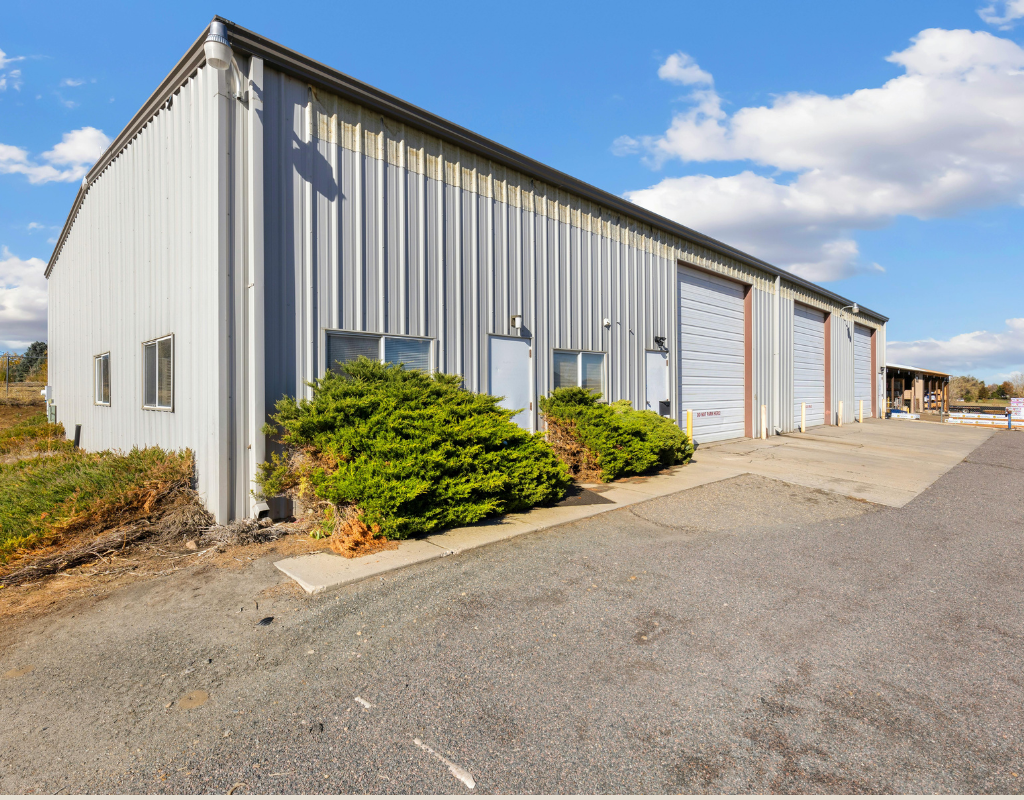
In today’s commercial real estate landscape, one segment is standing out as exceptionally competitive: small industrial properties. Ranging from warehouse-flex spaces to last-mile distribution centers, these compact, functional spaces are in high demand—and increasingly hard to find. As inventory tightens, sellers are gaining the upper hand, turning this into a true seller’s market.
Demand Is Outpacing Supply
Several factors are contributing to this surge in demand. The continued growth of e-commerce, on-demand logistics, and localized distribution has created a need for smaller, strategically located industrial spaces. Businesses—from online retailers to service providers—are seeking facilities closer to their customer base for faster fulfillment and lower transportation costs.
At the same time, developers have focused more on large-scale industrial projects, leaving smaller industrial buildings underserved. This imbalance has created a bottleneck in available inventory, especially in urban and high-growth suburban areas.
Why Small Industrial Spaces Are Hot
Flexibility: Small industrial spaces can serve a wide range of tenants—contractors, e-commerce, storage, light manufacturing, and more.
Affordability (Relatively Speaking): They tend to be more accessible for small and mid-sized businesses, even in a tight market.
Strategic Location: Proximity to population centers adds value for last-mile delivery and local service businesses.
What This Means for Sellers
If you own a small industrial property, the market is working in your favor. Low inventory means faster sales, multiple offers, and in many cases, above-asking prices. Investors and owner-users alike are competing for quality space, especially in key metropolitan markets.
Navigating This Market
For Sellers: Now may be the ideal time to list your property or explore off-market opportunities. Partnering with a commercial broker who understands current demand trends can help you capitalize on your asset’s full value.
For Buyers: Be prepared to act quickly. Pre-approval, flexible terms, and strong offers are critical in this environment. You may also need to expand your search area or consider value-add opportunities.
Final Thoughts
The limited supply of small industrial properties isn’t just a trend—it’s a structural shift driven by changes in how businesses operate and deliver goods. As long as demand continues to rise and development lags behind, sellers will continue to hold the advantage in this evolving market.